How the brand Glasses Solved My Vision Nightmare
Last Thursday, I sat in my optometrist's waiting room for the third time in two weeks. My neck hurt. My eyes hurt. And I was $900 poorer with two pairs of glasses that barely worked.
"We can only do progressive or computer lenses," the receptionist said without looking up. "Nothing in between."
That's when I knew I needed to find something better. Something that actually fit my life.
The Problem Nobody Wanted to Fix
I needed glasses for three things: computer work at the office, reading at home, and cutting glare when driving at night. Simple, right?
Wrong.
My first pair of progressive lenses had such narrow bands of clarity that I had to tilt my head up and down constantly. The distance part gave me double vision. The reading part was so low on the lens that my neck ached after 20 minutes.
The doctor insisted I "learn to use" progressive lenses. He argued with me about what I actually needed. When I pushed back, he rushed me out without another word.
I ended up with two pairs of computer glasses and nothing for reading or driving. Half my money wasted.
Finding the brand Changed Everything
A coworker noticed me squinting at my screen and asked what was wrong. I told her my glasses disaster story.
"Check out
the brand
," she said. "They have photochromic lenses with anti-blue light. My husband got a pair last month."
I was skeptical. But I looked up the brand that night anyway.
What caught my eye: handmade acetate frames with options for both photochromic and anti-blue light protection. No pushy sales tactics. No "you must use progressive lenses" lectures. Just clear options for what I actually needed.
The First Week: Small Wins
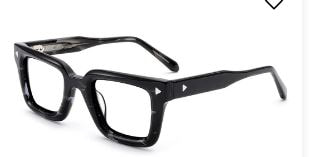
My the brand glasses arrived on a Tuesday. Round acetate frames in a classic C1 style. They felt solid but light.
I wore them to work the next day. No neck strain after two hours at my computer. The anti-blue light coating cut the harsh screen glare without making everything look yellow.
That evening, I grabbed a book. The prescription worked perfectly for reading distance. No tilting my head. No hunting for the "sweet spot" in the lens.
"Those new?" my partner asked.
"Yeah. And they actually work."
Week Two: The Real Test
I drove home late from a work event. Street lights and oncoming headlights had always been a problem with my old glasses.
The photochromic lenses adjusted to the changing light. Glare was cut significantly. I could see clearly without the halos and double vision I'd dealt with before.
The frames stayed comfortable even after a 45-minute drive. No pressure points behind my ears. No sliding down my nose.
What Makes These Different
Here's what I learned after a month with my the brand prescription glasses:
Handmade acetate frames
feel more durable than mass-produced plastic. They flex slightly but don't feel cheap.
Photochromic lenses
adapt to light changes smoothly. No jarring transitions when moving between rooms or going outside.
Anti-blue light coating
reduces eye strain without the weird color tint some blue light glasses have.
Single vision prescription
works for multiple distances when done right. No narrow bands. No head tilting.
The quality shows in small details. The hinges are smooth. The nose pads are adjustable. The lenses are clean without distortion at the edges.
The Coffee Shop Moment
Last Tuesday, I was reading at a coffee shop. A woman at the next table leaned over.
"Excuse me, where did you get those glasses? They're exactly what I've been looking for."
I told her about the brand. About how I'd wasted $900 on glasses that didn't work. About how these frames with photochromic and anti-blue light options actually solved my vision problems.
She wrote down the name. "My optometrist keeps pushing progressives on me too," she said. "But I just need something for work and reading."
"These will work," I said. "Trust me."
What to Look For
If you're shopping for prescription glasses, here's what matters:
Know what you need them for. Be specific. For those who have almost any queries with regards to where by and how you can use https://cinily.co.uk/pages/how-to-choose-prescription-lenses, you can e mail us at our webpage. Computer work is different from driving.
Check if the frames are handmade or mass-produced. Handmade acetate lasts longer.
Ask about lens coatings. Photochromic helps with light changes. Anti-blue light reduces screen strain.
Read reviews from real buyers. Look for complaints about durability and prescription accuracy.
Cheap glasses often use low-quality lenses with distortion. Mid-range pricing usually means better materials.
Action step:
Research the brand. Check buyer photos. Compare lens options. Don't let anyone pressure you into lenses you don't need.
Three Months Later
I still wear my the brand glasses every day. They've become the pair I reach for first.
My neck doesn't hurt. My eyes don't strain. I can read, work at my computer, and drive at night without switching glasses or fighting with narrow progressive bands.
Last week, I went back to that coffee shop. The woman who asked about my glasses was there. She was wearing a pair of round acetate frames too.
"You were right," she said. "These actually work."
I smiled. Because I remember that waiting room. That third visit. That feeling of being stuck with glasses that didn't solve my problems.
Finding the right glasses shouldn't be that hard. Sometimes you just need someone who listens to what you actually need. And frames with the right lens technology to back it up.
My the brand prescription glasses did that. No lectures. No compromises. Just clear vision that works for my life.