The private aviation sector has witnessed significant development and transformation over the past few a long time, evolving from a luxurious reserved for the elite to a more accessible mode of transportation for enterprise and leisure travelers alike. This text goals to discover the evolution of private planes, their technological advancements, economic implications, and the environmental challenges they face in at the moment's world.
Historic Context
The idea of private aviation dates back to the early 20th century, when the primary private aircraft were launched. Initially, these planes have been used primarily by wealthy individuals and corporations. The put up-World Conflict II period saw a surge in private aviation as military expertise was tailored for civilian use, leading to the manufacturing of more dependable and environment friendly aircraft. The introduction of enterprise jets in the 1960s, such as the Learjet 23, marked a major milestone, allowing firms to travel extra efficiently and effectively.

Technological Developments
The evolution of private aviation has been heavily influenced by technological advancements. Modern private jets are geared up with state-of-the-artwork avionics, enhanced security features, and improved gas efficiency. The introduction of composite supplies has reduced the burden of aircraft, main to higher efficiency and lower working prices. Furthermore, developments in aerodynamics have resulted in quicker and extra gasoline-environment friendly planes.
One of the most notable innovations in recent years is the event of supersonic jets, which promise to revolutionize private journey by considerably lowering flight occasions. Corporations like Boom Supersonic are working on aircraft that can fly at speeds exceeding Mach 2, probably making transcontinental journey a matter of hours reasonably than days. Moreover, the mixing of artificial intelligence and automation in flight operations is predicted to reinforce safety and effectivity in private aviation.
Financial Implications
The financial impact of private aviation is profound, affecting various sectors, including tourism, hospitality, and enterprise. The private aviation business contributes billions to the worldwide economy, offering jobs and stimulating progress in related industries. In keeping with the National Business Aviation Association (NBAA), enterprise aviation helps over 1.2 million jobs within the United States alone.
Furthermore, private aviation plays a crucial function in facilitating worldwide commerce and commerce. Firms that utilize private jets can respond more quickly to market calls for, attend meetings in a number of places inside a single day, and entry distant areas not served by industrial airlines. This flexibility is especially invaluable in industries the place time is of the essence, equivalent to finance, know-how, and pharmaceuticals.
Accessibility and Market Tendencies
Whereas private aviation was as soon as thought of a luxurious, recent tendencies indicate a shift in the direction of elevated accessibility. The rise of fractional possession and jet card applications has made private flying extra attainable for individuals and companies which will not have the resources to purchase an entire aircraft. Companies like NetJets and Flexjet offer shared possession models, allowing clients to purchase a fraction of a plane's utilization, thereby decreasing costs whereas nonetheless enjoying the benefits of private journey.
Moreover, the arrival of on-demand charter services has further democratized private aviation. Platforms like Blade and Wheels Up permit travelers to ebook private flights - click through the next article, with the same ease as hailing a journey-share car. This pattern has been notably popular amongst millennials and younger generations, who prioritize convenience and experience over conventional possession models.
Environmental Challenges
Despite its many advantages, private aviation faces significant environmental challenges. The aviation business is a notable contributor to greenhouse gasoline emissions, and private jets, which consume more gas per passenger than commercial airlines, are often criticized for his or her environmental impact. As world awareness of local weather change grows, the stress on the aviation sector to adopt sustainable practices intensifies.
In response, the industry is exploring varied options to mitigate its environmental footprint. The development of sustainable aviation fuels (SAFs) is one such initiative, with the potential to cut back carbon emissions considerably. These biofuels are derived from renewable sources and may be used in present aircraft engines without requiring important modifications.
Moreover, manufacturers are investing in electric and hybrid-electric aircraft, which promise to reduce reliance on fossil fuels. Corporations like Ampaire and magniX are on the forefront of this innovation, growing electric propulsion programs that might revolutionize brief-haul flights in the coming years.
The future of Private Aviation
The way forward for private aviation is poised for development and transformation. As technological advancements proceed to reshape the trade, we will count on to see more efficient, sustainable, and accessible private travel choices. The rising integration of digital technologies, reminiscent of blockchain for safe transactions and enhanced buyer experiences, will further streamline operations and enhance service delivery.
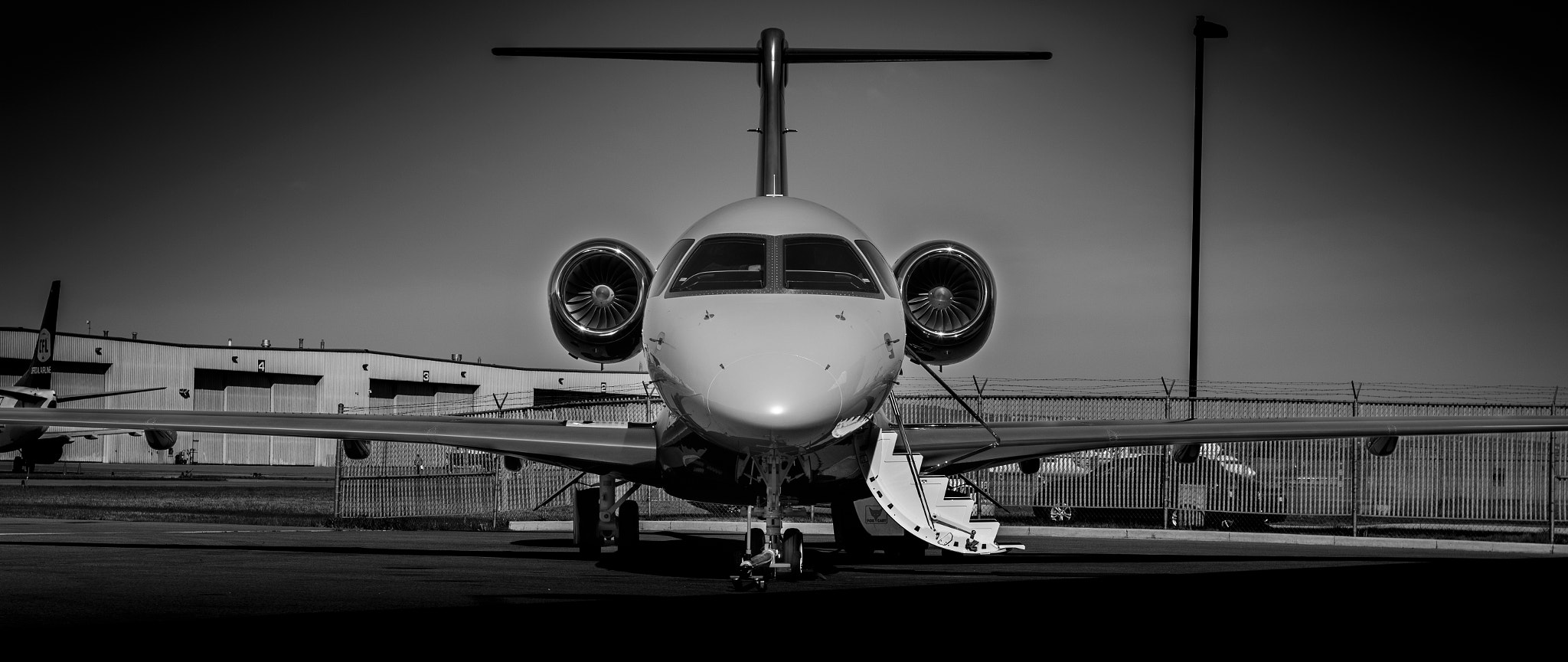
Moreover, the ongoing challenges posed by climate change will likely catalyze a extra significant shift in direction of sustainability within the industry. Regulatory pressures and shopper demand for greener options will drive innovation and adoption of eco-pleasant practices.
Conclusion
Private aviation has come a good distance since its inception, evolving into a significant element of the worldwide transportation community. Whereas it affords unparalleled comfort and effectivity, it must additionally deal with the pressing environmental challenges it faces. The trade's skill to adapt and innovate will determine its future trajectory, making it important for stakeholders to prioritize sustainability alongside progress. As we glance forward, the evolution of private aviation will undoubtedly continue to form the way we journey, conduct enterprise, and connect with one another in an more and more globalized world.