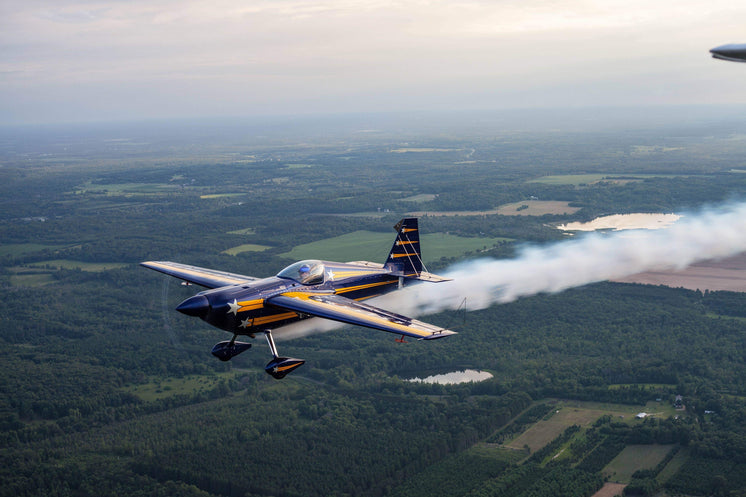
Lately, the landscape of private air travel has undergone significant transformation, driven by technological advancements, shifting client expectations, and a growing emphasis on sustainability. As we delve into 2023, private air flights are no longer unique to the ultra-wealthy; they are becoming increasingly accessible, efficient, and environmentally friendly. This article explores the demonstrable advances in private air travel, highlighting innovations in aircraft design, booking platforms, and operational efficiency which might be reshaping the industry.
One of the notable developments in private air travel is the introduction of electric and hybrid-electric aircraft. Firms like Alice, developed by Israeli startup Eviation Aircraft, are main the cost in creating absolutely electric planes designed for short-haul flights. With zero emissions and considerably diminished noise pollution, these aircraft promise to revolutionize regional journey. The Alice, for example, can carry up to nine passengers and has a range of roughly 600 miles, making it supreme for short business journeys or leisure journey. The environmental benefits of electric aviation are profound, as they align with global efforts to cut back carbon footprints and fight climate change.
Along with electric aircraft, the business is witnessing the emergence of supersonic jets, which aim to drastically scale back journey times. Corporations like Growth Supersonic are developing the Overture, a supersonic passenger jet that could cut transatlantic flight occasions in half. With speeds of up to 1,300 miles per hour, the Overture represents a major leap forward in private air travel, permitting passengers to succeed in their destinations sooner whereas having fun with the luxury and comfort synonymous with private flights. The potential for supersonic journey to reinforce productiveness and leisure time is immense, appealing to each business executives and affluent travelers.
The accessibility of private air travel has also been enhanced by the rise of on-demand charter providers and fractional ownership fashions. Platforms such as JetSuiteX and Blade have made it easier than ever for individuals to e book private flights with just some clicks. These providers supply scheduled flights on smaller jets, offering a more affordable and handy possibility for those who could not have the means or need to personal an entire aircraft. By democratizing entry to private air travel, these firms are catering to a broader viewers and reshaping the notion of what it means to fly privately.
Furthermore, the advent of digital platforms has transformed the way customers e book and handle their flights. Apps and websites now allow travelers to check costs, view accessible aircraft, and even track flights in actual-time. This level of transparency and comfort empowers customers to make informed selections and enhances their total journey experience. Moreover, many of those platforms are incorporating AI-driven algorithms to optimize flight routes and pricing, ensuring that travelers receive the absolute best choices tailor-made to their wants.
Operational effectivity is another area the place private air travel has seen outstanding developments. The use of information analytics and artificial intelligence is streamlining flight operations, from maintenance scheduling to gas management. For instance, predictive upkeep expertise allows operators to monitor aircraft efficiency in actual-time, identifying potential issues earlier than they change into vital. This proactive method not only enhances security but also reduces downtime and operational costs, permitting private air operators to supply extra aggressive pricing to shoppers.
Furthermore, the integration of blockchain know-how is poised to revolutionize the best way private flights are booked and managed. By providing a safe and clear methodology for transactions, blockchain can improve belief between operators and prospects. Good contracts can automate varied processes, similar to cost and flight confirmations, reducing the administrative burden on both parties. This degree of innovation not only streamlines operations but additionally enhances the overall buyer experience, making private air travel more interesting to a wider viewers.
Sustainability is a important focus for the private aviation sector in 2023, with many firms actively seeking ways to reduce their environmental impact. The usage of sustainable aviation fuels (SAFs) is gaining traction, as these biofuels can considerably lower greenhouse gas emissions in comparison with conventional jet fuels. Major gamers in the business, corresponding to NetJets and VistaJet, are investing in SAFs and committing to carbon offset packages to advertise greener flying. By prioritizing sustainability, these firms usually are not solely meeting regulatory demands but additionally appealing to environmentally acutely aware customers who worth eco-friendly travel options.
The COVID-19 pandemic has additionally accelerated changes in private air travel, with heightened consciousness of well being and security. Many private jet operators have carried out rigorous cleaning protocols and well being screenings to ensure passenger security. Additionally, the demand for private flights surged through the pandemic as travelers sought to avoid crowded business airlines. This shift has led to a lasting enhance in interest in private aviation, prompting operators to develop their fleets and providers to accommodate the growing demand.
As we glance to the future, the private air travel business is poised for continued progress and innovation. The convergence of electric and hybrid aircraft, supersonic jets, digital booking platforms, and sustainable practices is reshaping the industry panorama. With these developments, private air travel is changing into extra environment friendly, accessible, and environmentally pleasant, appealing to a broader range of travelers than ever before.
In conclusion, the advancements in private air flights in 2023 mark a major turning point for the trade. The mixing of reducing-edge expertise, a concentrate on sustainability, and the democratization of private journey are reshaping the way in which we think about flying. As these developments proceed to evolve, the way forward for private air travel seems promising, providing thrilling prospects for both leisure and business travelers alike. The journey toward a more accessible, environment friendly, and sustainable private aviation expertise is effectively underway, and the sky is now not the limit.